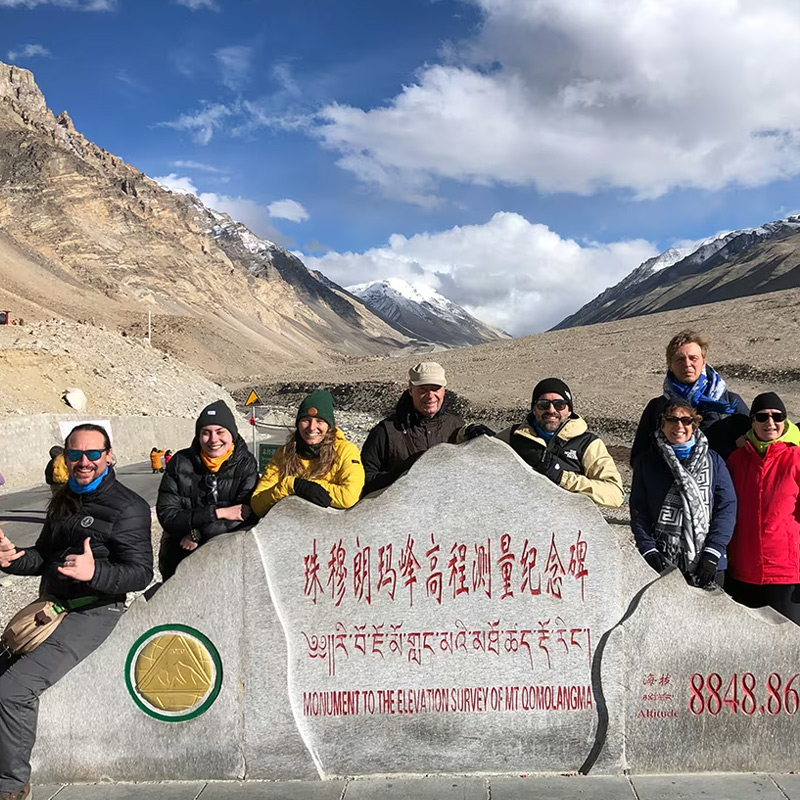
For a first visit, use this Lhasa tourist map to keep the Potala Palace, Jokhang Temple and Barkhor together, then give the monasteries a separate sightseeing day. With two full days, choose Drepung and Sera or a gentler western combination with Norbulingka. Namtso and regional extensions need their own driving time; they cannot be squeezed between city visits.
The palace appointment is usually the first detail to settle. Once its entry time is confirmed, the old-town visit and the next day’s monastery route can fall into place. You will see more comfortably with room to pause than with another temple added to an already full afternoon.
Your first Lhasa sightseeing map: start with the palace and old town
The Potala Palace rises above central Lhasa, while Jokhang sits within the old town to its east. Barkhor surrounds Jokhang, so those two are an immediate geographical pairing. Visiting the temple and following the surrounding streets gives you both the interior visit and a sense of the pilgrimage neighborhood outside.
Potala belongs on the same city day when the entry appointments allow it. The short distance to the old town makes the transfer manageable, but the palace involves steps, security procedures and time on foot. Keep a proper meal break between major visits rather than treating the whole day as one continuous walk.
For someone selecting the best places in Lhasa on a first trip, these are the core stops to protect before adding a remote excursion. The palace and Jokhang require named reservations under the official July 2026 visitor guidance. Your operating agency should arrange the appropriate booking procedure for your documents.Official 2026 reservation guidance
Key Map Facts
| Item | Planning answer |
|---|---|
| Core first-visit sights | Potala Palace, Jokhang Temple and Barkhor |
| Monastery choices | Drepung to the west; Sera to the north |
| Garden and palace option | Norbulingka on the western side of the city |
| Base | Stay in Lhasa for the city sightseeing groups |
| Minimum sightseeing time | Two full days for the core city and a selected second-day group, in addition to arrival and adjustment time |
| Extra driving days | Namtso, Shannan and regional onward journeys |
| Last checked | 25 October 2026; reservations and local operating arrangements need date-specific confirmation |
Lhasa attractions map: build your days around these groups
Potala, Jokhang and Barkhor
Allow one full sightseeing day for this central group. Depending on the palace appointment, either visit Potala first or put Jokhang and the old town in the earlier part of the day. Barkhor is easier to fit around the temple visit than another ticketed interior.
The walking route includes more than the line between the attractions. Drop-off points, entrance checks and the palace steps all add time. Your guide can adjust the order around both bookings and how you feel that morning.
Drepung and Norbulingka on the western side
Drepung sits on the hills west of the center. Its sloping lanes and monastery buildings require time on foot after the vehicle arrives. Norbulingka is farther into the urban area, with palace buildings set within extensive grounds.
These two suit a full western sightseeing day when you want a monastery and a change of setting afterward. Norbulingka can offer a less demanding afternoon than another hillside monastery, although its grounds still involve walking. Ask which palace interiors are included rather than assuming the entire visit is outdoors.
Drepung and Sera for a monastery-focused day
Drepung in the morning and Sera later is another practical full-day combination. Sera lies north of the center, so the transfer crosses between the western and northern sides of Lhasa. It is longer than moving between neighboring old-town sights, but leaves enough time for both monasteries when the day is reserved for them.
If witnessing debate is a priority, have your guide check whether a visitor-accessible session is expected on your date. Religious events and operating arrangements can change the schedule. The monastery is still worth considering for its courtyards and religious setting even when a debate is unavailable.
A two-day Lhasa itinerary map: what fits, and what to leave out
Two sightseeing days mean two complete days available after arrival and appropriate adjustment time. An afternoon flight followed by two nights in Lhasa will not provide the same opportunity. Potala and Drepung both involve exertion, so the plan needs to reflect your condition as well as the clock.
Day one: Potala, Jokhang and Barkhor. Work around the reserved entries, with lunch and a rest between the main interiors. Keep the remainder of the old-town visit flexible. Returning to the hotel earlier is a reasonable choice if the palace steps have taken more energy than expected.
Day two: Drepung and Sera. This gives the trip a fuller monastery emphasis without adding a distant road excursion. Plan the Sera visit around confirmed access rather than guaranteeing a debate at a fixed hour.
For a more varied second day, replace Sera with Norbulingka and keep the day on the western side. This is the useful trade-off: a second major monastery, or palace gardens and a different kind of visit. Trying to add Norbulingka to Drepung and Sera can leave too little time to enjoy any of them.
On a fixed-departure tour, the sequence may already be arranged and can be reversed for bookings. Treat this Lhasa itinerary map as a way to judge the program, with any changes agreed before booking. With only these two days, leave Namtso and the regional driving routes for another part of the trip.
With more time: add a monastery day or leave the city?
A third full sightseeing day gives you room for the city option omitted above. If you chose Drepung and Sera, Norbulingka can have an unhurried visit with time elsewhere in the city afterward. If you chose the western combination, Sera becomes easier to include separately.
Leaving the city brings a different commitment. Namtso is a long northbound road excursion with a high mountain approach. It deserves a separate day at minimum, after suitable acclimatization, and some plans benefit from an overnight around Damxung. An overnight is a change of pace, not proof that an ascent plan is appropriate.
Shannan’s Samye and Tsetang direction also needs a dedicated driving day, or a longer visit if both areas are a priority. Yamdrok lies in a different, western part of Shannan and is often approached on the road toward Gyantse. It should not be added to a valley visit merely because both carry the same regional name.
For Nyingchi, allow a multi-day extension with accommodation there. A transfer can take much of a day before any substantial visiting begins. Travelling there and back just to add one attraction consumes time you could otherwise spend in the valleys.
Lhasa travel route map: continue toward Shigatse, Shannan or Nyingchi
For the westbound scenic route, finish the Lhasa city visits before heading toward Yamdrok, Gyantse and Shigatse. Staying in Shigatse avoids returning to Lhasa between consecutive western stages. The scenic transfer itself can occupy a full day; a separate local sightseeing day may be needed there.
For Samye and Tsetang, decide whether the journey returns to Lhasa or continues east. Tsetang can be the overnight base for a fuller valley visit. A connection onward toward Nyingchi needs its own approved route and transfer allowance; it should not be assumed to follow the same roads as a direct Lhasa–Nyingchi journey.
Namtso lies north of Lhasa. It can be a return excursion, but adds backtracking to a trip otherwise travelling west or east. Include it because the lake is a priority and there is enough time, rather than trying to make it part of every regional circuit.
The following comparisons use central Lhasa as the starting reference for regional drives. City rows describe the named transfers. They are planning allowances in ordinary conditions, excluding meals, visits, ticket queues and delays.
| Attractions or route | Direction | Normal transport allowance | Suitable time | Overnight base |
|---|---|---|---|---|
| Potala, Jokhang and Barkhor | Center and old town | About 15–30 minutes between palace and old-town access points; walk within Barkhor | 1 full sightseeing day | Lhasa |
| Drepung and Norbulingka | West | Roughly 20–40 minutes between sites | 1 full sightseeing day | Lhasa |
| Drepung and Sera | West to north | Roughly 30–50 minutes between monasteries | 1 full sightseeing day | Lhasa |
| Namtso Tashi Dor area | North via Damxung | Allow about 4–5 hours each way from Lhasa | 1 long excursion day minimum; consider 2 days | Lhasa or Damxung, as arranged |
| Samye and Tsetang | Southern river valleys | Route-specific; S5 shortens access compared with older airport-side drives | 1 long day for a limited visit; 2 days for more time in both areas | Lhasa or Tsetang |
| Yamdrok, Gyantse and Shigatse | Southwest then west | Roughly 6–8 hours driving over the full scenic stage | At least 1 transfer day; add time for Shigatse visits | Shigatse |
| Nyingchi/Bayi | East | About 5–6 hours for a direct road transfer | Multi-day extension; allow at least 3 days for an out-and-back visit | Bayi and other agreed bases |
The Namtso row refers to the Tashi Dor approach, not a lake circuit or a northern-shore visit. In Shannan, a route using S5 can differ substantially from an older airport-side itinerary. Exact entrances, bridges and booked visits should be settled before comparing proposals by their driving hours.
Why short distances can take longer in Lhasa
A map pin usually marks the attraction, while your vehicle stops at an authorized access point. The remaining walk, checks and movement through the site belong in the visit time. At Potala, the climb matters far more to the morning than the few kilometers driven from a central hotel.
Reservations introduce another constraint. A nearby site may have an entry appointment later in the day, leaving a gap that should be used for lunch or rest rather than filled with a distant detour. A relaxed pause can make the afternoon considerably more enjoyable.
The same principle applies on mountain roads. A short straight-line distance does not show a pass, a lake approach or a river crossing. Seasonal snow can affect high excursions, while city festival crowds can change access and timing. Your licensed operating agency should confirm the route and permissions as part of the arranged Tibet journey.Tibet travel arrangements
Last checked: 25 October 2026. Official July 2026 guidance confirms named reservations for Potala and Jokhang. Monastery access, debate sessions, palace interiors and regional roads should be reconfirmed for the visit date. The routes are planning examples, not guaranteed departures or live traffic estimates.
Conclusion
Keep the palace and old town together, choose a second-day combination that matches your interests, then give any regional excursion the time it needs. Share your full sightseeing days and onward destination with CHIBET to discuss a suitable program with a licensed Tibet operating partner.
Frequently Asked Questions
Lhasa tourist map FAQs
Can I change the sightseeing order after arriving in Lhasa?
Some adjustments may be possible, but booked entry slots and group arrangements limit flexibility. Tell the agency about priorities before tickets are arranged. If you feel unwell, tell your guide promptly so the day’s activity can be reassessed.
Is Barkhor better during the day or in the evening?
Daylight makes it easier to follow the streets and combine the walk with Jokhang. An evening visit has a different atmosphere but does not replace access to the temple interior. If time permits, discuss a short return with your guide rather than moving the whole temple visit to the evening.
Can I visit a monastery without attending a debate?
Yes, subject to that day’s visitor access. A debate is one aspect of a monastery visit. Your guide can explain the buildings and religious life without making the session the only reason to go.
Do I need my passport during sightseeing?
Bring the original passport used for the reservation when your agency requires it for entry and checks. Confirm the day’s document requirements with your guide before leaving the hotel; a phone photograph should not be assumed to replace the original.