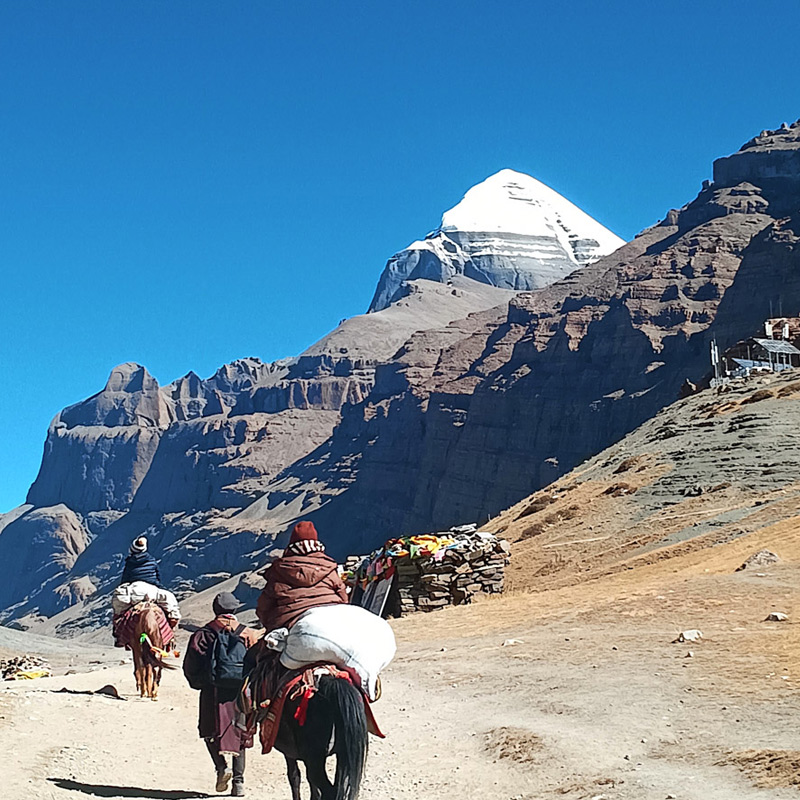
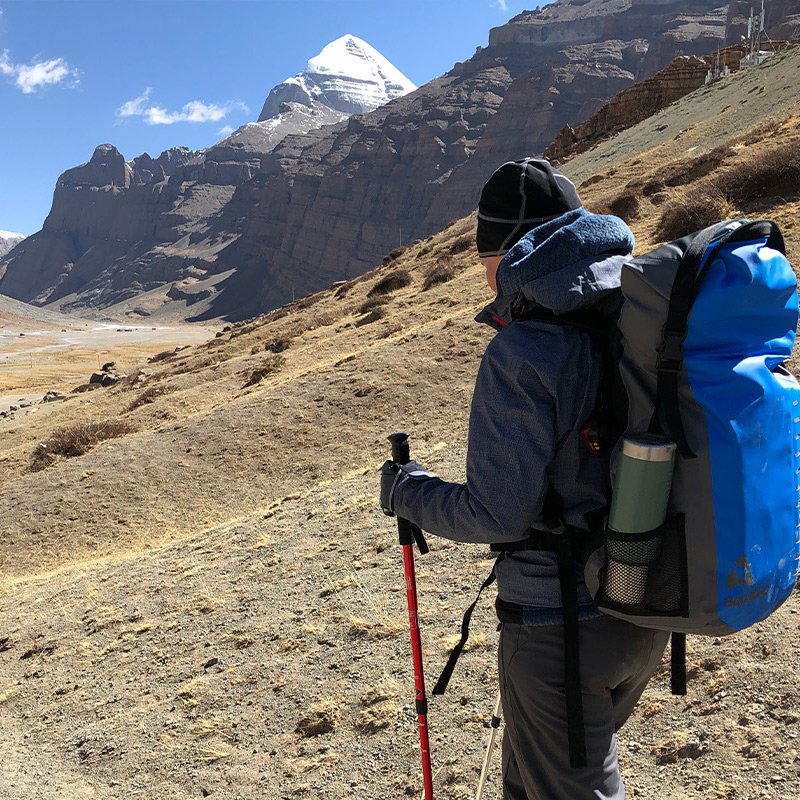
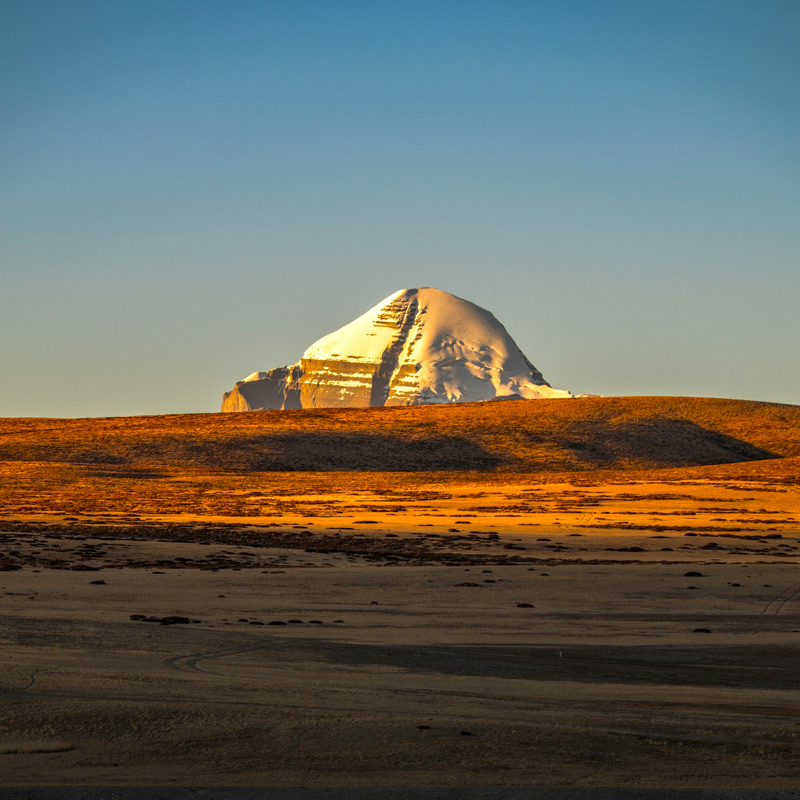
August is one of the warmest yet wettest months around Mount Kailash. Daytime conditions are generally manageable, nights are milder than in spring or autumn, and the landscape is greener. The trade-off is frequent cloud cover, afternoon showers, muddy valley trails, and possible sleet or wet snow near Dolma La.
For travelers planning a Kailash Manasarovar Yatra in August, the practical question is not simply “Will it rain?” but how changing weather affects visibility, trail safety, clothing, transport, and acclimatization. This guide combines realistic temperature ranges with a day-by-day view of the 52-kilometer Kailash Kora.
Mount Kailash Weather in August
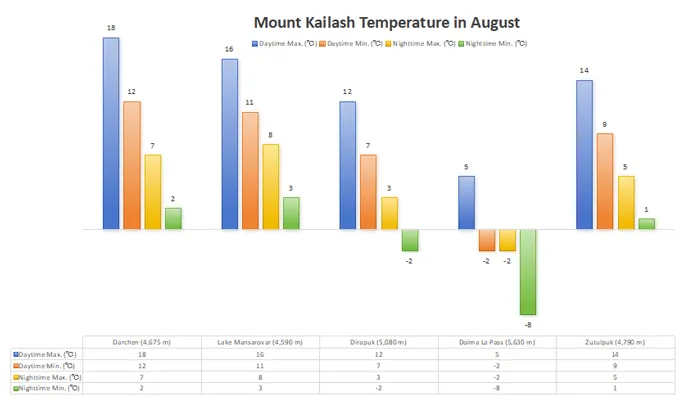
- Temperature: roughly 12–18°C in Darchen by day, with near-freezing or sub-zero conditions possible at high camps and Dolma La.
- Rain pattern: showers are more common in the afternoon or overnight; prolonged tropical-style downpours are less typical.
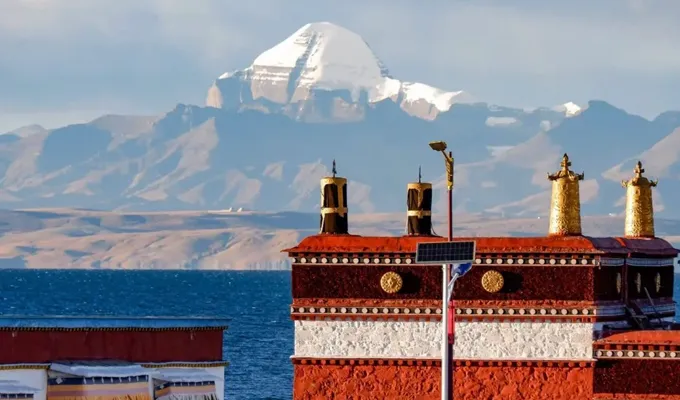
- Visibility: Mount Kailash may remain cloud-covered for hours, but early mornings often offer the best chance of a clear view.
- Trail conditions: wet, muddy sections are common in the Lha-chu valley; rock surfaces may be slippery after rain.
- Crowds: August is a busy domestic travel and pilgrimage period, so guesthouses, horses, and porters can be in high demand.
Mount Kailash Temperature in August by Location
Altitude creates large temperature differences across the circuit. Direct sun can feel warm, while cloud, wind, or rain can lower the apparent temperature within minutes.
| Location | Altitude | Daytime | Nighttime | What it feels like |
|---|---|---|---|---|
| Darchen | 4,575 m | 12–18°C | 2–7°C | Warm in sun; sharply cooler under rain clouds. |
| Lake Manasarovar | 4,590 m | 11–16°C | 3–8°C | Lake breeze and humidity can feel damp and cool. |
| Dirapuk | 5,080 m | 7–12°C | −2–3°C | Unheated rooms may feel cold and damp overnight. |
| Dolma La | 5,630 m | −2–5°C | −8–−2°C | Wind chill, sleet, wet snow, and icy patches are possible. |
| Zutulpuk | 4,790 m | 9–14°C | 1–5°C | Usually the milder overnight stop on the kora. |
Early August vs. Late August
Early to mid-August (August 1–20): Monsoon influence is usually strongest. Streams are fuller, rain chances are higher, and valley trails are more likely to be muddy.
Late August (August 21–31): Rain may begin to ease, with slightly better chances of open skies. Daytime temperatures remain comfortable, while nights gradually become cooler.
Rain, Clouds, Mud and Mountain Visibility
How Much Does It Rain in August?
August is among the wettest periods on the Kailash circuit, but rain often arrives as short afternoon showers or overnight drizzle. Conditions can still change quickly, so waterproof layers should remain in your daypack even when the morning starts clear.
When Is Mount Kailash Most Visible in August?
Cloud cover is often thickest from midday into the afternoon. Around Dirapuk, early morning—roughly 7:00 to 9:00—is commonly the best viewing window, although no clear view can be guaranteed.
Where Does the Trail Get Muddy?
Low-lying sections of the Lha-chu valley on Day 1 can become soft and slick after rain. The descent from Dolma La demands extra care because wet rock, sleet, or melting snow may reduce traction.
What the 3-Day Kailash Kora Feels Like in August
Day 1: Darchen to Dirapuk (19 km)
The morning often begins near 5°C. Sun can lift the apparent temperature toward 15°C by late morning, but clouds and showers frequently build after midday. Mud is most likely near streams and low points approaching Dirapuk at 5,080 meters.
Day 2: Dirapuk to Zutulpuk via Dolma La (22 km)
This is the hardest day. Pre-dawn temperatures may sit around 0–2°C at Dirapuk, then fall near or below freezing at Dolma La. Rain can turn to sleet or wet snow, and the steep descent past Gaurikund may be slippery. Waterproof boots and trekking poles are essential.
Day 3: Zutulpuk to Darchen (11 km)
The final section is flatter and generally milder, often around 12–16°C during the day. The main August challenge is navigating muddy pools left by overnight rain.
Road Conditions from Lhasa to Mount Kailash in August
The main overland route through Shigatse and Saga is paved, and normal August rain does not usually close the entire journey. Localized landslides, rockfall, roadworks, or temporary traffic controls can nevertheless cause delays at mountain passes. A well-planned itinerary should include buffer time and avoid tight onward connections.
Overland Travel from Nepal to Mount Kailash in August
The overland route from Kathmandu via the Gyirong (Kerung) Border offers a direct entry into western Tibet, but August weather requires extra caution. Heavy monsoon rain on the Nepal side frequently triggers landslides, rockfalls, and mudslides, leading to road blockages or border crossing delays before reaching the Tibetan Plateau. Once inside Tibet, the paved highway toward Saga and Mount Kailash is generally stable, though temporary traffic controls or local repairs can still occur along mountain passes. Traversing this route in August requires flexible travel plans, built-in buffer days, and avoiding tight onward transport connections.
August Packing List for the Kailash Trek
Waterproof Protection
Jacket, Pants and Pack Cover
- A breathable waterproof shell jacket and waterproof over-trousers; a thin poncho alone may tear in strong wind.
- A fitted rain cover plus internal dry bags for electronics, documents, and spare clothing.
Boots and Gaiters
- Ankle-high waterproof hiking boots with tested grip; mesh running shoes can soak through quickly.
- Lightweight gaiters to keep mud, wet sand, and slush out of your boots.
Warm, Quick-Drying Layers
- Two or three synthetic or merino base-layer sets, depending on personal preference and drying time.
- A light fleece for cool mornings and a compact down jacket for unheated guesthouses.
- At least four pairs of trekking socks; change immediately if they become wet.
Trekking and Personal Gear
- Two trekking poles for balance on wet rocks and the Dolma La descent.
- A thermos, quick-dry towel, sun protection, headlamp, and waterproof gloves.
Altitude, Health and Wet-Weather Safety
Rain does not cause altitude sickness, but wet clothing, wind, fatigue, and inadequate acclimatization can make a high-altitude trek harder. Spend sufficient time acclimatizing before traveling west, keep a slow pace, and change into dry layers as soon as possible.
- Do not rush simply to escape rain; sweating inside waterproof clothing can leave you cold later.
- Tell your guide immediately about severe headache, confusion, breathlessness at rest, loss of coordination, or rapidly worsening symptoms.
- Follow your guide’s instructions and seek medical assessment or descend when symptoms suggest serious altitude illness.
Mount Kailash Weather in August FAQs
Is August a good month to visit Mount Kailash?
Yes, if you value milder nights, greener scenery, and an active pilgrimage atmosphere. Choose June or September if clear mountain photography is your main priority, because August cloud cover can hide the summit for long periods.
Can it rain every day during the Kailash Manasarovar Yatra in August?
Rain is possible on many August days, but it is not necessarily continuous. Short afternoon showers and overnight drizzle are more typical than all-day storms. Always carry waterproof layers and protect spare clothes inside dry bags.
What temperatures should I expect on the Kailash Kora in August?
Darchen can reach about 12–18°C during the day, while Dirapuk may fall near freezing at night. Dolma La can experience sub-zero temperatures, wind chill, sleet, or wet snow even in August.
Do I need waterproof boots and gaiters for Kailash trekking in August?
Waterproof boots are strongly recommended. Gaiters are useful rather than strictly mandatory, especially after overnight rain when the Lha-chu valley becomes muddy. The combination keeps moisture and grit out and reduces the chance of walking in wet socks.
Will clouds block the view of Mount Kailash in August?
They can. August visibility is unpredictable, but cloud gaps may open briefly. Early morning at Dirapuk often gives the best chance of seeing the north face, so remain patient and keep your camera accessible.
Is the Kailash Kora crowded in August, and should I pre-arrange a porter or horse?
August is busy, and demand for guesthouses, horses, and porters can be high. If you may need support, discuss it with your operator before arrival and register as early as possible in Darchen. Availability and local prices cannot be guaranteed.
Do August rains close the road to Mount Kailash?
The main paved route normally remains usable, but localized landslides, rockfall, repairs, or temporary traffic controls may cause delays. Keep buffer days and avoid scheduling a non-refundable flight immediately after returning from the Kailash region.
Can it snow at Dolma La in August?
Yes. August is not a main snow month, but Dolma La stands at approximately 5,630 meters. Short periods of snow, sleet or hail can occur when a cold weather system passes through. Wet ground can also freeze during the night and remain slippery in the morning.
Do foreign travelers need permits for Mount Kailash?
Yes. Foreign visitors require Tibet travel documentation arranged through an authorized tour operator and must travel on an organized itinerary. Processing rules and lead times can change, so confirm current requirements well before departure.
Is insect repellent necessary in August?
Mosquitoes are generally not a major issue at the circuit’s high elevations and cool, windy conditions. Small flies or gnats may appear near streams, but insect repellent is usually a low-priority item compared with rain protection and sun protection.
Is it safe to take a holy dip in Lake Manasarovar in August?
The lake remains extremely cold, and sudden immersion at high altitude can trigger cold shock and rapid heat loss. Symbolic washing or collecting holy water is safer than full submersion. Travelers with health concerns should seek medical advice before the journey.
How many acclimatization days do I need before the kora?
A common plan includes several nights in Lhasa followed by a gradual overland journey through Shigatse and Saga. The right schedule varies by traveler. Never shorten acclimatization to compensate for a weather delay without consulting your guide.
Plan Your August Kailash Journey with Local Support
August rewards well-prepared travelers with mild daytime trekking temperatures, green valleys, and a vibrant pilgrimage atmosphere. Success depends on realistic expectations: pack for rain and sub-zero wind chill, allow time for acclimatization, and keep your itinerary flexible.
CHIBET is a China & Tibet travel specialist created by local Tibetans. We help international travelers understand Mount Kailash routes, seasonal conditions, altitude, permits and trip preparation through practical local insight. Tour operations and permit applications are handled by licensed local operating partners.