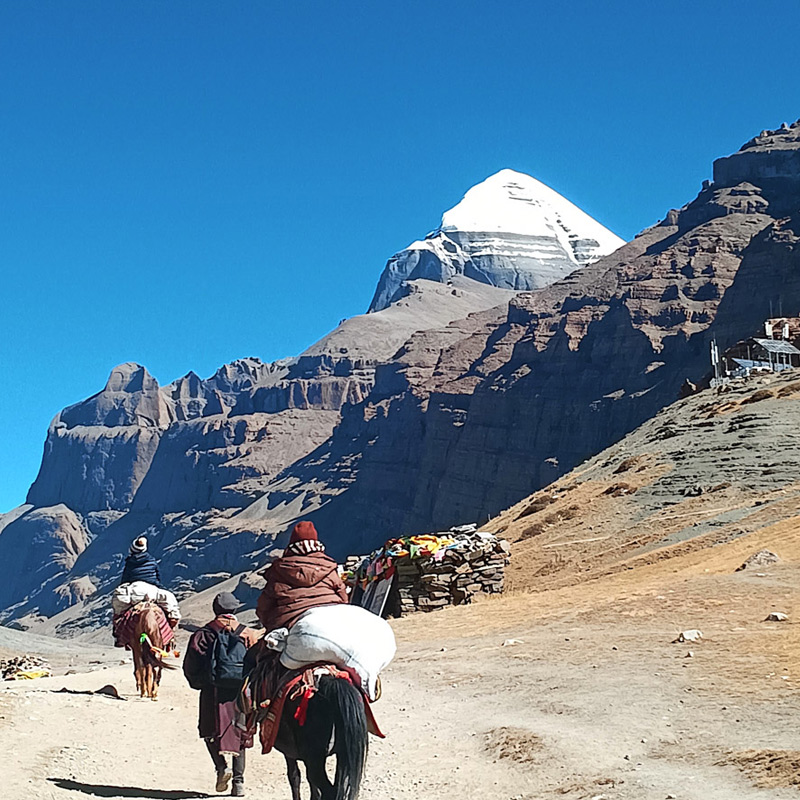
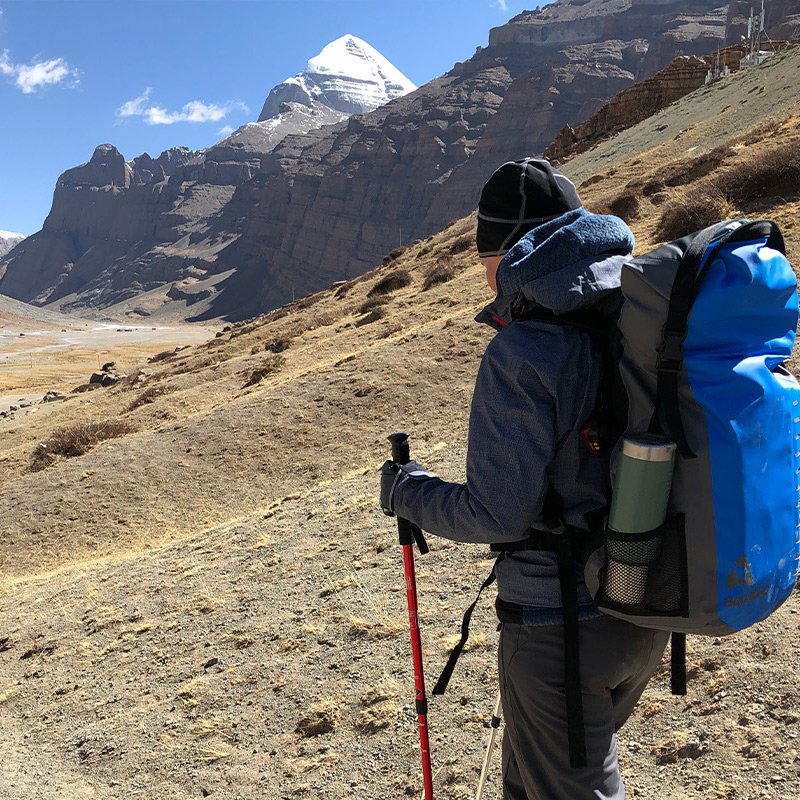
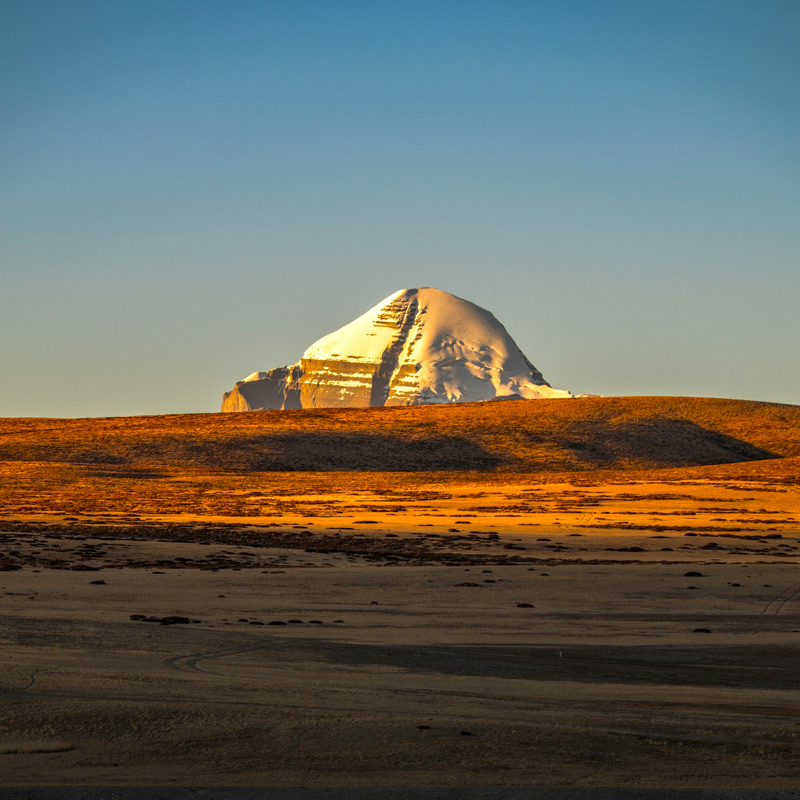
October brings clear skies, fewer visitors, dry air, and striking autumn scenery around Mount Kailash and Lake Manasarovar. It also marks the transition toward winter. Nights are well below freezing, Dolma La may receive snow, and travel becomes less predictable as the month progresses.
For a Kailash Manasarovar Yatra in October, timing matters. Early to mid-October can offer a workable balance of visibility and cold; late October requires greater flexibility, warmer equipment, and acceptance that snow or official safety controls may change the trekking plan.
Mount Kailash Weather in October at a Glance
- Visibility: often clearer than the summer monsoon months, with good photography potential but no guaranteed summit view.
- Temperature: about 5–12°C in Darchen by day, with sub-zero nights across the region.
- Snow: possible throughout October and increasingly likely at high elevations later in the month.
- Trail: generally dry at lower elevations, but frost, ice, or snow may affect Dolma La.
- Season timing: early and mid-October are generally more predictable than late October.
Mount Kailash Temperature in October by Location
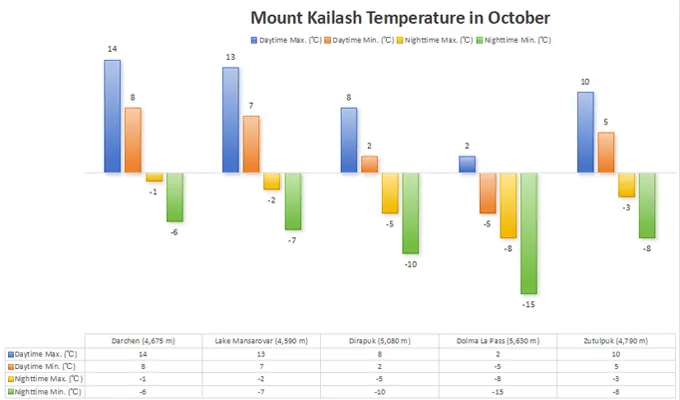
Strong sun can make midday feel comfortable, while wind and shade quickly lower the apparent temperature. Conditions at Darchen or Lake Manasarovar are not representative of pre-dawn temperatures on the kora.
| Location | Altitude | Daytime | Nighttime | What it feels like |
|---|---|---|---|---|
| Darchen | 4,575 m | 8–14°C | −6–−1°C | Sunny and dry during the day; cold after sunset, especially in open areas. |
| Lake Manasarovar | 4,590 m | 7–13°C | −7–−2°C | Strong winds from the lake make it feel colder than the actual temperature. |
| Dirapuk | 5,080 m | 2–8°C | −10–−5°C | Cold overnight with freezing temperatures; warm layers are essential inside basic guesthouses. |
| Dolma La | 5,630 m | −5–2°C | −15–−8°C | The coldest section of the kora; strong winds, ice, and snow patches are possible. |
| Zutulpuk | 4,790 m | 5–10°C | −8–−3°C | Cool and dry; mornings are often frosty before sunlight reaches the valley. |
Early, Mid and Late October
Early October: Usually the most manageable October window, with relatively milder afternoons and a lower—though not zero—chance of disruptive snow.
Mid-October: Nights become colder and frost more persistent. Conditions may still be suitable with proper equipment and local confirmation.
Late October: Snow, ice, frozen water, guesthouse closures, and route changes become more likely. Travelers need buffer days and a backup plan.
Snow, Wind and Visibility in October
Does It Snow at Mount Kailash in October?
Yes. Light snow may occur around Dirapuk, Dolma La, and the higher mountain slopes. Early-month snow can melt after sunrise, while larger or repeated snowfall later in October may leave icy trail sections or delay a crossing.
How Clear Are the Mountain Views in October?
Low humidity and reduced monsoon cloud often improve visibility, giving October strong photography potential. Clear mornings, deep blue skies, snow-dusted peaks, and golden grasslands are possible, but mountain cloud can still form quickly.
Why Wind Matters?
Cold, dry wind makes exposed locations feel much colder than the thermometer suggests. The lakeshore, Barka plain, Dirapuk valley, and Dolma La require windproof layers even on sunny days.
What the 3-Day Kailash Kora Feels Like in October
Day 1: Darchen to Dirapuk (19 km)
Daytime temperatures may range from about 2–10°C. Direct sun can feel pleasant, but afternoon wind and the rapid temperature drop after sunset make warm layers essential. The altitude remains challenging even when the trail is dry.
Day 2: Dirapuk to Zutulpuk via Dolma La (22 km)
This is the coldest and most demanding day. The start is before sunrise, Dolma La remains exposed to strong wind, and snow or ice may appear on the climb and descent. The guide must assess whether the pass is safe to cross.
Day 3: Zutulpuk to Darchen (11 km)
The final stage is gentler and generally warms as elevation decreases. Frost may remain in shade early in the day, but the lower valley is usually more comfortable than Dolma La.
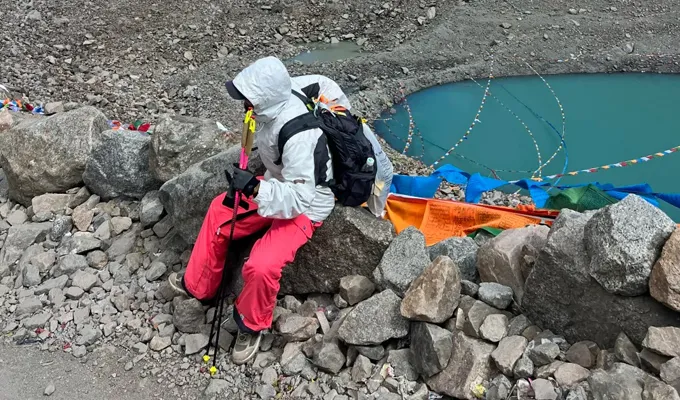
Lake Manasarovar Weather in October
The lake often has crisp air and long visibility, with a chance of clear reflections on calm mornings. After sunset, the exposed shoreline becomes extremely cold and windy. Sunrise viewing requires a down jacket, warm hat, insulated gloves, and footwear suitable for frozen ground.
October Packing List for the Kailash Trek
Cold-Weather Layering
Base and Mid Layers
- Two sets of thermal underwear in synthetic or merino fabric.
- A fleece or softshell mid-layer that can be added or removed while walking.
Insulation and Outer Shell
- A hooded down jacket for guesthouses and pre-dawn starts.
- A windproof, waterproof shell jacket and hiking over-trousers.
- Thermal leggings or fleece-lined trekking pants.
Footwear and Accessories
- Broken-in waterproof hiking boots with ankle support and reliable grip.
- Warm trekking socks, insulated gloves, beanie, neck gaiter, and sunglasses.
- Trekking poles for icy or uneven sections.
Guesthouse and Personal Gear
- Warm sleeping bag liner or sleeping bag for basic, unheated rooms.
- Insulated flask to reduce the chance of water freezing.
- Power bank; keep batteries close to body heat in very cold conditions.
- SPF 50+ sunscreen and lip balm for strong high-altitude UV.
Road Conditions from Lhasa to Mount Kailash in October
The main paved route from Lhasa through Shigatse and Saga may remain usable in October, but it should not be described as guaranteed open throughout the month. Snow at high passes, rockfall, roadworks, official traffic controls, or reduced seasonal services can cause delays. Confirm conditions shortly before departure and avoid tight onward connections.
Overland Travel from Nepal to Mount Kailash in October
The primary route from Kathmandu to Mount Kailash via Gyirong Port remains generally open in October, but it should not be described as guaranteed hassle-free. Landslide damage on the Nepalese side, early snow on high Tibetan passes, border clearance delays, or sudden roadworks can cause unexpected hold-ups. Confirm border and road conditions shortly before leaving Kathmandu and build extra buffer days into your schedule.
Altitude and Cold-Weather Safety
Cold weather does not reduce altitude sickness risk. Travelers remain above 4,500 meters for several days and cross 5,630-meter Dolma La. Gradual acclimatization is more important than fitness alone.
- Walk slowly and maintain a steady breathing rhythm.
- Drink regularly, limit alcohol, and eat even if appetite falls.
- Report severe headache, confusion, loss of coordination, breathlessness at rest, or rapidly worsening symptoms immediately.
- Accept a delayed crossing, descent, or itinerary change when the guide judges conditions unsafe.
Mount Kailash Weather in October FAQs
Is October a good time to visit Mount Kailash?
It can be, especially in early or mid-October, for travelers seeking clear views and fewer crowds. It is colder and less predictable than September, so flexibility and winter-ready clothing are essential.
What is the average Mount Kailash temperature in October?
Darchen may reach about 5–12°C during the day and fall to around −8 to −2°C at night. Conditions on the kora are colder, especially before dawn and at Dolma La.
Does it snow at Mount Kailash in October?
Yes. Light snow is possible throughout the month, particularly above 5,000 meters. The chance of persistent snow or icy trails generally increases later in October.
Can snow close Dolma La?
A crossing may be delayed, rerouted, or cancelled after snow, ice, strong wind, or an official safety restriction. The decision should be made locally by guides and authorities, not from an old forecast.
Is early October better than late October?
Early October is usually more predictable and somewhat milder. Late October may offer dramatic scenery but has a higher risk of snow, frozen facilities, reduced services, and itinerary changes.
Is October colder than September?
Yes, especially at night and before sunrise. October may offer similar clear-sky benefits, but the cold and snow risk rise as winter approaches.
What should I wear for the Kailash Kora in October?
Use multiple layers: thermal base layers, fleece, a hooded down jacket, windproof waterproof shell, warm trekking pants, insulated gloves, a beanie, and waterproof hiking boots.
Are the guesthouses heated in October?
Guesthouses at Dirapuk and Zutulpuk are basic and should not be expected to provide central heating. Bring a warm liner or sleeping bag and keep dry layers available for the evening.
Will my drinking water freeze?
It may freeze overnight or during the pre-dawn pass climb. Use an insulated flask and store it inside your pack rather than in an exposed side pocket.
Are roads from Lhasa to Mount Kailash open in October?
The main route may operate, but uninterrupted access cannot be guaranteed. Snow, maintenance, local controls, or seasonal closures can create delays, especially later in the month.
Do foreign travelers need permits for Mount Kailash?
Yes. Foreign visitors require Tibet travel documentation arranged through an authorized operator and must follow an organized itinerary. Confirm current requirements and lead times well before travel.
Is October suitable for a first-time high-altitude trekker?
Possibly, if the traveler is fit, well-acclimatized, properly equipped, and willing to change plans. Early October is generally a better choice than late October for a first visit.
Is October good for Mount Kailash photography?
Often yes. Drier air, lower humidity, autumn grasslands, and possible snow-dusted peaks can produce excellent images. Clear views remain weather-dependent and cannot be guaranteed.
Plan an October Kailash Journey with Local Support
October can be rewarding for travelers who prioritize clear skies, quiet trails, and autumn scenery over warmer nights. The safest approach is to favor early or mid-month, carry winter-ready layers, include buffer time, and accept that Dolma La or overland travel may change at short notice.
CHIBET is a China & Tibet travel specialist created by local Tibetans. We help international travelers understand Mount Kailash routes, seasonal conditions, altitude, permits and trip preparation through practical local insight. Our licensed Tibet operating partner supports permits, overland logistics, local guides, basic guesthouses, health monitoring, emergency oxygen, and porter or animal arrangements. Feel free to contact us for current October operating conditions before confirming travel.